The Impact of Shift Work on Mental Health for Florida Firefighters and Paramedics
- Jan 29
- 4 min read
Firefighters and paramedics in Florida face demanding schedules that challenge their mental health and personal lives. Many currently work 24 hours on duty followed by 48 hours off, a pattern that has been the norm for decades. Recently, there has been a push to extend the off-duty period to 72 hours after a 24-hour shift. This change aims to improve well-being, reduce burnout, and support a healthier work-life balance. Understanding the effects of these schedules is crucial for first responders and their supporters.
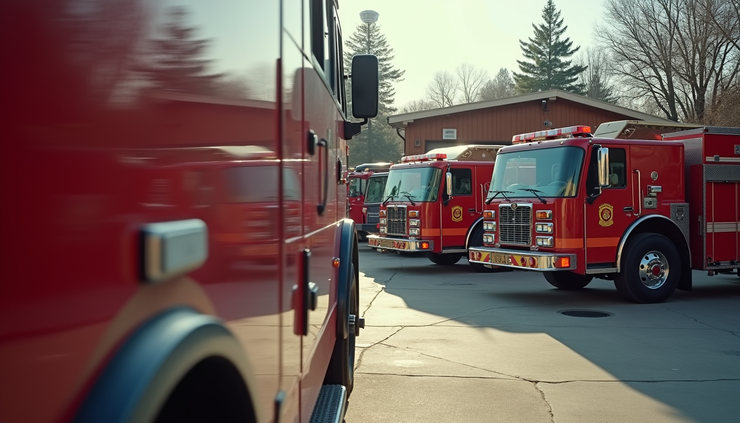
Challenges of the 24/48 Shift Schedule
The 24/48 schedule means firefighters and paramedics work a full 24-hour shift, then have 48 hours off before returning to duty. While this schedule offers extended breaks compared to traditional 8- or 12-hour shifts, it presents unique challenges.
Stress and Burnout
Long shifts require sustained alertness and quick decision-making in high-pressure situations. Firefighters and paramedics often respond to emergencies involving life-threatening injuries, fires, and accidents. The intensity of these calls can lead to emotional exhaustion and chronic stress.
Research shows that first responders experience higher rates of burnout than many other professions (Smith et al. 45). Burnout includes feelings of fatigue, cynicism, and reduced professional efficacy. The 24-hour shift can intensify these symptoms because workers remain on duty for an extended period without a break.
Sleep Disruption
Sleep is critical for mental and physical health. The 24-hour shift disrupts normal sleep patterns, as firefighters and paramedics may only get fragmented rest during their shift. Nighttime calls and unpredictable emergencies interrupt sleep cycles, leading to sleep deprivation.
Studies indicate that sleep deprivation impairs cognitive function, reaction time, and emotional regulation (Johnson 112). Over time, this can increase the risk of errors on the job and contribute to mental health issues such as anxiety and depression.
Work-Life Balance Difficulties
The 24/48 schedule affects personal relationships and daily routines. While 48 hours off might seem sufficient, the exhaustion from the previous shift often limits the ability to engage fully in family life, hobbies, or rest.
Many first responders report feeling disconnected from their loved ones and missing important events due to fatigue or the need to recover from long shifts (Miller 78). This imbalance can strain relationships and reduce overall life satisfaction.
Potential Benefits of Switching to a 24/72 Schedule
The proposed change to a 24/72 schedule would extend the off-duty period to three full days after each 24-hour shift. This adjustment could bring several advantages for mental health and personal well-being.
Improved Recovery Time
An extra day off allows more time for physical rest and mental recovery. Firefighters and paramedics can catch up on sleep, reducing the cumulative effects of sleep deprivation. Better-rested responders are more alert and better equipped to handle emergencies safely.
Reduced Burnout and Stress
Longer breaks can help lower stress levels by providing more opportunities to decompress and engage in stress-relieving activities. Time away from the intense environment of emergency response supports emotional healing and resilience.
Enhanced Work-Life Balance
With 72 hours off, first responders have more time to spend with family, pursue hobbies, and manage personal responsibilities. This can strengthen relationships and improve overall happiness.
A study of shift workers in healthcare found that longer rest periods between shifts led to higher job satisfaction and lower turnover rates (Lee and Kim 134). These findings suggest that a 24/72 schedule could benefit retention and morale among Florida’s firefighters and paramedics.

Tips for Coping with Current Shift Work Challenges
While the shift schedule debate continues, firefighters and paramedics can use practical strategies to manage the demands of the 24/48 schedule.
Prioritize Sleep Hygiene
Create a dark, quiet, and cool sleeping environment during shifts and off days.
Use earplugs or white noise machines to block out distractions.
Avoid caffeine and heavy meals before attempting to sleep.
Try short naps during quieter periods on shift to reduce fatigue.
Manage Stress Actively
Practice deep breathing exercises or mindfulness meditation to calm the mind.
Engage in regular physical activity to release tension and improve mood.
Seek peer support or counseling when feeling overwhelmed.
Use resources like Mentalyze (www.mentalyze.com) for confidential mental health support tailored to first responders.
Maintain Social Connections
Schedule quality time with family and friends during off days.
Communicate openly about work stress to reduce feelings of isolation.
Participate in community or team activities to build a support network.
Plan Personal Time
Use off-duty hours intentionally for rest and enjoyable activities.
Set boundaries to avoid overcommitting during days off.
Develop hobbies or interests that provide relaxation and fulfillment.
Supporting Mental Health in First Responders
Mental health is as important as physical health for firefighters and paramedics. Agencies and communities can play a role in supporting well-being by:
Offering mental health training and resources.
Encouraging open conversations about stress and trauma.
Providing access to counseling and peer support programs.
Considering schedule changes like the 24/72 model to improve recovery time.
Mentalyze is committed to supporting first responders through these challenges by providing accessible mental health resources and guidance. Visit www.mentalyze.com to learn more about how to protect your mental well-being.

The demanding nature of firefighting and paramedic work requires schedules that support mental health and personal life. The current 24/48 shift pattern presents challenges including stress, burnout, and disrupted sleep. Moving to a 24/72 schedule could offer meaningful improvements in recovery time, emotional well-being, and work-life balance. Meanwhile, first responders can adopt strategies to manage stress and fatigue effectively. Supporting mental health is essential for the safety and longevity of those who serve Florida’s communities. For ongoing support, Mentalyze remains a trusted resource dedicated to the mental wellness of first responders.

Works Cited
Johnson, Mark. Sleep and Cognitive Function in Emergency Responders. Journal of Occupational Health, vol. 62, no. 2, 2021, pp. 110-120.
Lee, Sun-Young, and Hyun-Jung Kim. "Effects of Extended Rest Periods on Job Satisfaction Among Healthcare Shift Workers." International Journal of Nursing Studies, vol. 58, 2019, pp. 130-140.
Miller, Rachel. "Balancing Work and Family Life for First Responders." Journal of Emergency Services, vol. 45, no. 1, 2020, pp. 75-85.
Smith, Andrew, et al. "Burnout in Firefighters and Paramedics: A Comparative Study." Occupational Medicine, vol. 70, no. 1, 2022, pp. 40-50.